
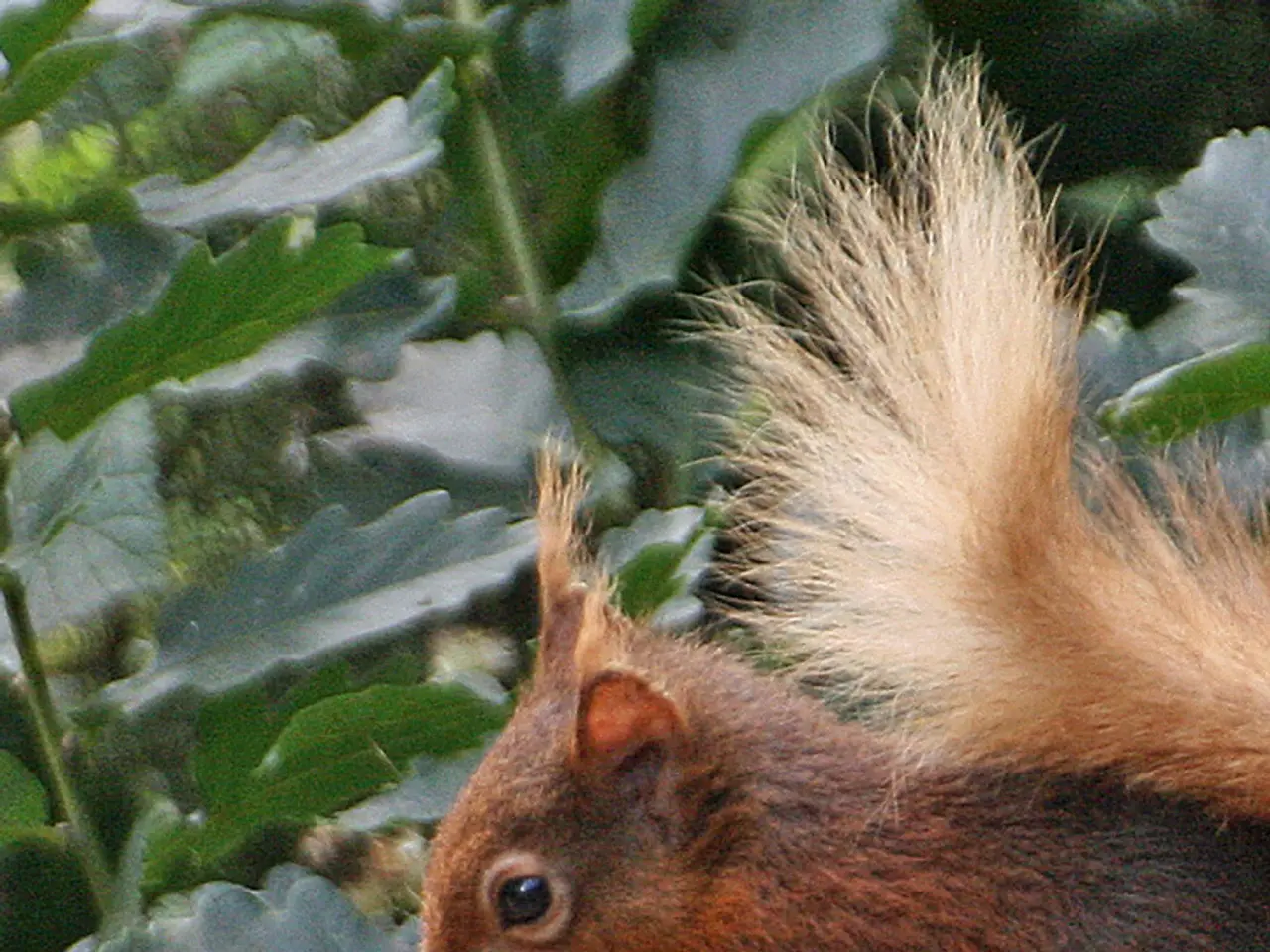
Unveiled:New Herb Squirrels Detest, Yet You'll Love – Perfect for Natural Pest Eradication
For home gardeners struggling with squirrels digging up their precious plants, a natural and harmless solution may be at hand - peppermint. The strong, menthol scent of this popular herb is generally disliked by squirrels, making it a useful short-term deterrent.
In the short term, peppermint oil or sprays create a potent barrier against these pesky animals, deterring them from specific areas such as garden beds, birdfeeders, or entry points. Application methods include spraying a diluted peppermint oil solution around plants, containers, or potential entry points, and placing peppermint oil-soaked cotton balls in targeted locations. Immediate results can be observed if the scent is fresh and strong, with squirrels often avoiding treated areas initially.
However, the long-term effectiveness of peppermint-based deterrents is limited. Squirrels quickly become accustomed to or "nose-blind" to the scent if it is used repeatedly in the same way, reducing its deterrent effect over time. Outdoors, the peppermint oil scent fades rapidly due to weather, rain, and environmental exposure, requiring frequent reapplication to maintain effectiveness. Fresh peppermint plants themselves do not provide a concentrated or consistent scent strong enough to bother squirrels; only concentrated oil or spray solutions are effective.
To overcome these limitations, gardeners can adopt strategies such as rotating deterrents, regular reapplication, and combining peppermint with other methods. Rotating peppermint with other strong-smelling or irritating substances, such as cayenne pepper, coffee grounds, or garlic, can prevent squirrels from adapting to a single scent. Regular reapplication, especially after rain or when the scent fades, is crucial to maintaining the deterrent effect. Physical barriers (netting, fencing) and habitat modification can reinforce the effectiveness of scent-based deterrents.
In conclusion, peppermint-based deterrents can help reduce squirrel activity in a home garden for short periods, but their long-term effectiveness is limited unless combined with other strategies and regular reapplication. To make a significant difference, the peppermint scent needs to be strong and freshly applied. Consider rotating the scent with cayenne pepper, available from Amazon, to create a stronger barrier. The most effective way to use peppermint to deter squirrels is by applying a spray solution or placing cotton balls soaked in the essential oils around plants. Live plants strategically placed in a vegetable garden may not be as effective, but they can contribute to creating a natural pest barrier.
Adopting a rotating schedule of peppermint and other strong-smelling substances, like cayenne pepper or garlic, can help extended the deterrent effect on squirrels in herb gardens that are housed in raised beds. This home-and-garden lifestyle strategy, along with regular reapplication of peppermint oil solutions, can prove beneficial in keeping pets, such as squirrels, from damaging plants over time.