
Unknown Strategies for Pest Management in Greenhouses
In the quest for a healthier and more sustainable greenhouse, natural pest control methods are proving to be a game-changer. By adopting these innovative techniques, gardeners can foster a balanced ecosystem that encourages the growth of thriving plants while minimising the use of harmful chemicals.
**Companion Planting**
One of the most effective ways to repel pests naturally is through companion planting. This practice involves strategically placing specific plants near your crops to create a natural barrier against harmful insects. For instance, garlic, known for its strong scent, effectively repels many types of pests, while sage protects vegetables from potential threats.
**Soil Health Enhancement**
The health of the soil plays a crucial role in the overall well-being of plants. By improving soil fertility and structure, gardeners can support stronger, healthier plants that are less susceptible to pest attacks. Techniques like adding organic matter and soil amendments can boost plant resilience and promote a balanced ecosystem that reduces pest pressure.
**Beneficial Insects and Predators**
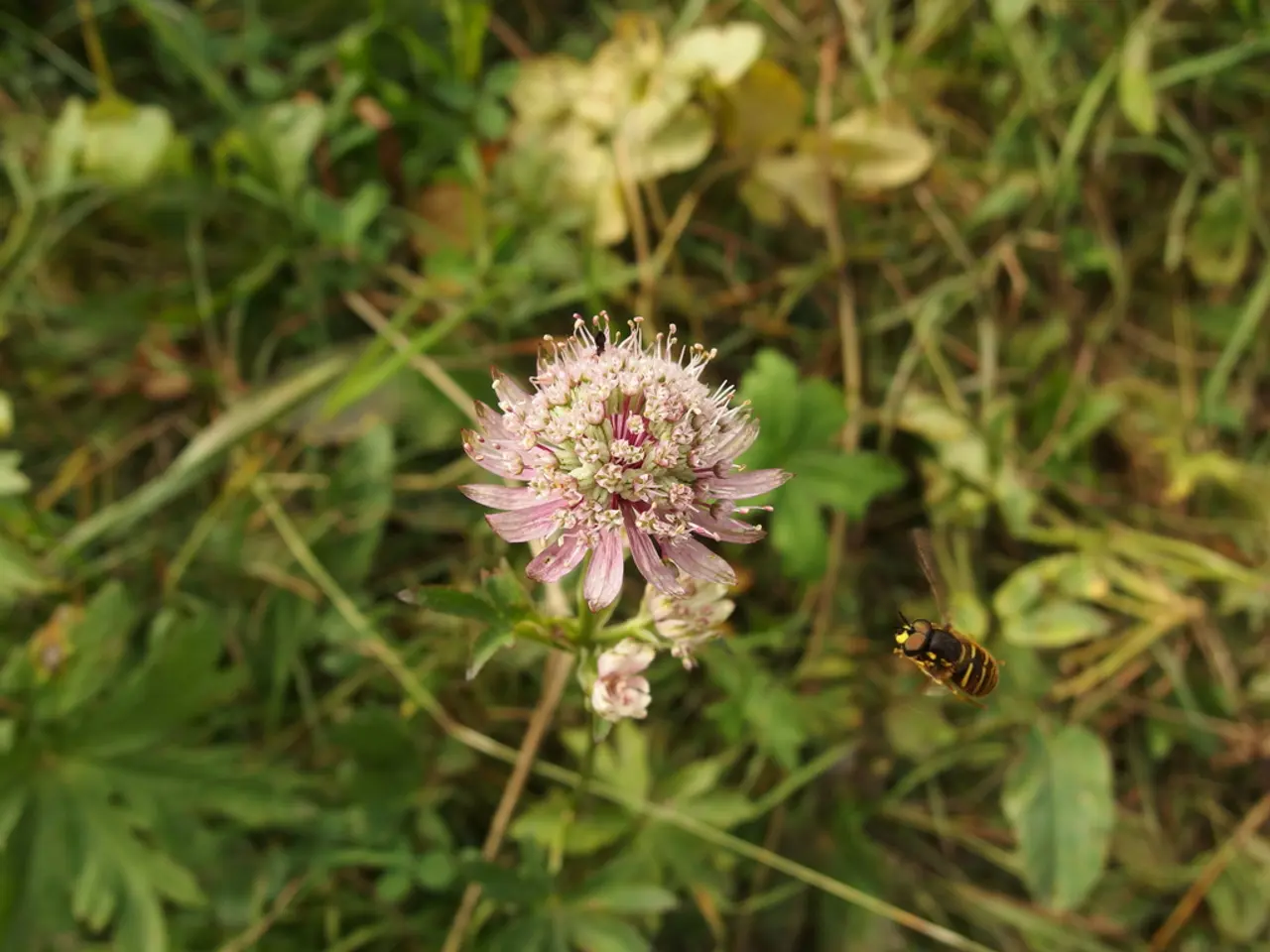
Attracting beneficial insects like ladybugs and lacewings is another powerful tool in the fight against pests. These insects are natural predators of common greenhouse pests like aphids, making them invaluable allies in the battle against unwanted invaders.
**DIY Organic Sprays and Natural Barriers**
Natural ingredients like neem oil, garlic, and diatomaceous earth can be harnessed to create effective organic pest repellents. Neem oil, for example, is known for its broad-spectrum pest control abilities, while garlic spray can repel insects and serve as a preventative measure. Diatomaceous earth, a natural powder, creates a barrier that dehydrates pests, making it an eco-friendly solution.
**IoT and Machine Learning Integration**
While not directly related to natural repellents, integrating IoT (Internet of Things) and machine learning can help optimise greenhouse conditions to prevent pest outbreaks. By precisely controlling factors like temperature and humidity, these technologies can help create an environment that is less conducive to pest growth, particularly in aeroponics or hydroponics systems.
Other practices, such as mindful watering, using sticky traps and pheromone traps, and growing pest-resistant plant varieties like marigolds, lavender, and basil, can further bolster your greenhouse's defences against pests.
By combining these techniques, gardeners can create a sustainable and resilient environment for their plants to thrive, producing healthier produce free from synthetic pesticides. Embracing these natural pest control methods is not only beneficial for the plants, but also for the environment and our health.
- Implementing mindful watering techniques, as well as growing pest-resistant plants like marigolds, lavender, and basil, can bolster the greenhouse's defences against pests.
- The home-and-garden practice of gardening opens doors for creating organic DIY sprays, utilizing natural ingredients such as neem oil, garlic, and diatomaceous earth, as effective pest repellents.
- Adopting IoT (Internet of Things) and machine learning technology for the control of temperature and humidity within the greenhouse can help in the prevention of pest outbreaks, thereby contributing to a healthier lifestyle and sustainable gardening practices in the health-and-wellness, fitness-and-exercise, and lifestyle domains.