
Unique and Creative Suggestions for Whale Naming
In the vast expanse of the ocean, whales are not just majestic creatures, but they also carry unique names that reflect their characteristics, cultural contexts, and creative influences. Here's a dive into the captivating world of whale names.
Whale names are more than mere labels. They can encapsulate significant meanings, from unique characteristics to cultural references. Over the years, a variety of whale names have emerged, each with its own story to tell.
Literature-Inspired Whale Names
The most famous literary whale name is undoubtedly "Moby Dick," inspired by Herman Melville's 1851 novel about an aggressive, large white sperm whale. Melville's character was inspired by the real-life legendary whale Mocha Dick, known for its whiteness and aggressiveness off Chile. Other literary references include whales or organisms named after literary works or characters.
Physical Characteristics
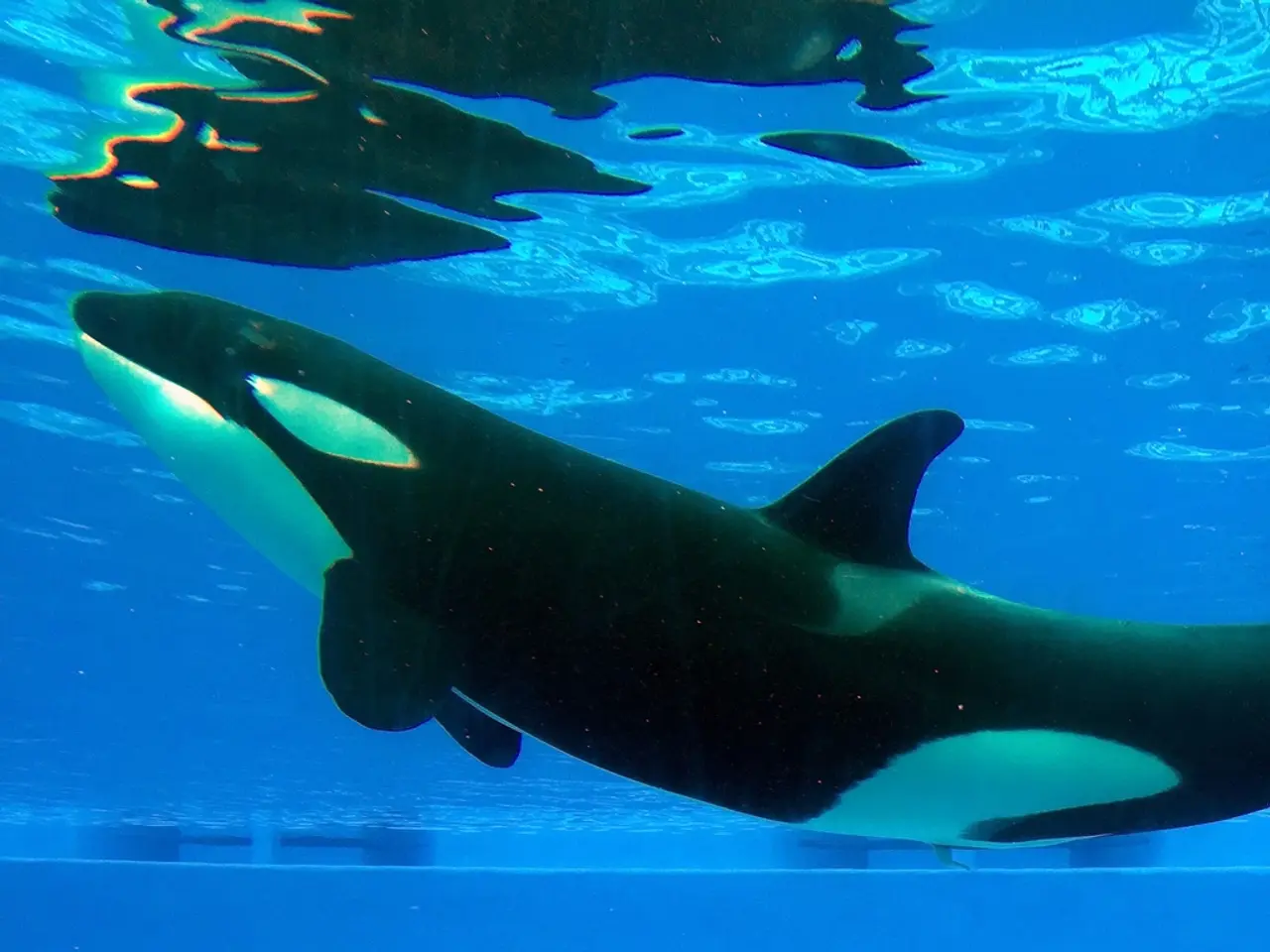
Many whale names are descriptively inspired by their physical traits. For example, Mocha Dick was noted for being "very white and aggressive." Orcas, known as "killer whales," are named for their hunting behavior and large size within the dolphin family. Scientific species names sometimes reflect physical features seen in whales or related animals, such as size or color.
Pop Culture References
Pop culture has also played a significant role in the naming of whales and marine creatures. Although not whales per se, examples include beetles or plants named after characters like Paddington Bear or Mark Watney from The Martian. Naming whales or marine creatures after popular characters or movies can be a way to raise public awareness or link to well-known stories.
Nature-Inspired Names
Whales and related species are sometimes named to reflect elements of nature such as geographical location, natural behavior, or habitat. For example, Mocha Dick was named after Mocha Island near Chile. Arctic species might be named with references to cold environments or local wildlife.
Space or Cosmic Inspiration
While less common for whales, contemporary or scientific naming occasionally draws inspiration from space-themed concepts, although this is more prevalent in naming newly discovered species outside of whales. Whales in fiction or art may be given space-themed names to evoke mystery or vastness.
As we delve deeper into the world of whale names, we find an array of creative choices. Names like "Cosmic," "Galactic," "Star," and "Nebulous" reflect a cosmic influence, while names like "White," "Striped," "Pilón," and "Great Nose" are derived from distinctive physical traits of whales.
Nature-inspired names, such as "Coral," "Breeze," "Island," and "Ocean Wonder," evoke images of the sea and its surroundings. Pop culture has contributed significantly to the choice of names for whales, with examples like "Nemo," "Willie," "Wanda," "Flipper," and "Marlin."
Unique names for whales like "Mark the Great" and "Mermaid" add a touch of mystery, while names inspired by mythical creatures, like "Arcoíris Marino" (Spanish for Marine Rainbow), add a touch of magic. Space-themed names, such as "Moon," "Galaxy," "Star," and "Orion," evoke a sense of adventure and exploration.
Names can also be inspired by famous songs, with examples like "Under the Sea," "Sail Away," and "What a Wonderful World." Literature has played an important role in the creation of names for whales, with examples like "Moby Dick," "Willy," "Queequeg," "Jörmungandr," and "Captain Ahab."
In conclusion, the most popular and unique whale names derive from a mix of historic literary works, observable whale traits, cultural influences, natural habitat references, and occasionally space-themed creativity. The iconic "Moby Dick" remains the most emblematic example of literature-inspired whale naming. While space-themed whale names are less common, they add a unique and captivating element to this world of nautical nomenclature.
- A person's lifestyle could draw inspiration from the fascinating world of whale names, opting for unique labels that reflect their personality, such as names derived from literature, physical traits, or elements of nature.
- Just as orcas are known as "killer whales" due to their hunting behavior, an individual might name their pet, like a cat or a dog, based on its personality or physical features, following the tradition of whale naming in the home-and-garden sphere.