
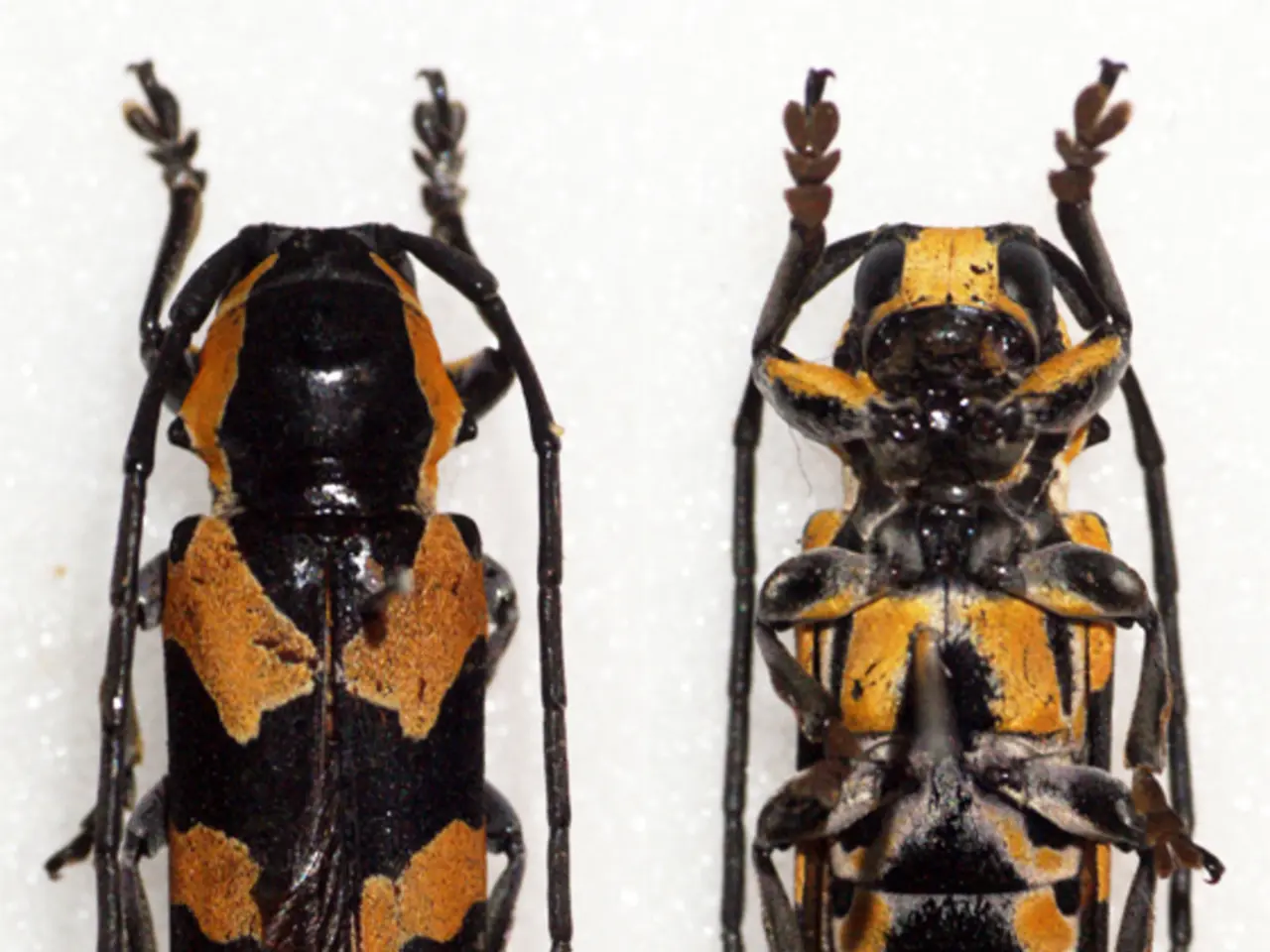
Methods for Deterring Varmin from Invading Your Home
In the quest for a pest-free home, adopting a comprehensive pest control strategy is essential. Here's a step-by-step guide on how to achieve this:
1. **Sealing Entry Points**
Inspect your home for cracks, gaps, and holes around windows, doors, vents, and utility entrances. Even small openings can serve as entry points for pests. Seal these with caulk, replace or repair worn-out weather stripping, and install mesh screens over vents to block insects and rodents.
2. **Maintaining Cleanliness**
Regularly clean your kitchen, pantry, and floors to remove crumbs and spills. Keep food in sealed containers and avoid leaving dirty dishes overnight. Ensure trash cans are covered and emptied frequently to avoid attracting pests.
3. **Using Natural Deterrents**
Certain essential oils like peppermint, lavender, and lemongrass can repel pests naturally. Utilize natural repellents like citronella or lemongrass to deter pests without using chemicals. DIY products like gel baits or insecticidal powders can be effective in areas with known pest activity.
4. **Proactive Monitoring and Seasonal Treatments**
Consider using smart sensors to detect pest activity early, allowing for timely interventions. Opt for seasonal treatments targeting specific pests during their peak activity periods instead of monthly applications.
5. **Considering Professional Pest Control Services**
Professional services may use Integrated Pest Management (IPM) strategies that combine biological control, habitat modification, and targeted treatments to minimize pest populations while reducing chemical use. If DIY methods fail or you notice a severe infestation, consider hiring professionals for more effective and comprehensive solutions.
6. **Combining DIY and Professional Guidance**
Use local pest control stores or services that offer personalized advice based on regional pest behavior. Stay involved in pest control while getting expert guidance on product selection and application techniques.
By incorporating these strategies, you can create a holistic pest control plan that ensures a safer and healthier living environment. Remember, a clean home is less attractive to pests, especially in areas where food is prepared and consumed. Keep your yard well-maintained, store pet food in sealed containers, and clean pet feeding areas daily. A proactive approach to pest control is key to maintaining a pest-free home.
Additional Tips: - Diatomaceous earth is a natural powder made from fossilized algae that can control pests like ants, cockroaches, and fleas. - Regularly taking out the trash and keeping garbage cans sealed can help deter pests. - Educating yourself on common pests in your area can help you take preventive measures more effectively. - Ensure there are no leaks or standing water in bathrooms. - The kitchen is a primary target for pests like ants, roaches, and bed bugs. - Paying attention to areas where utilities enter the home, like pipes and wires, is important for pest prevention. - Peppermint oil is particularly effective against spiders and mice.
Incorporating home-and-garden techniques such as maintaining a well-maintained yard, storing pet food in sealed containers, and cleaning pet feeding areas daily can contribute to the maintenance of a pest-free home. Enhancing the lifestyle habits of homeowners by choosing natural products like diatomaceous earth and essential oils like peppermint for pest control can also help in creating a healthier living environment.