
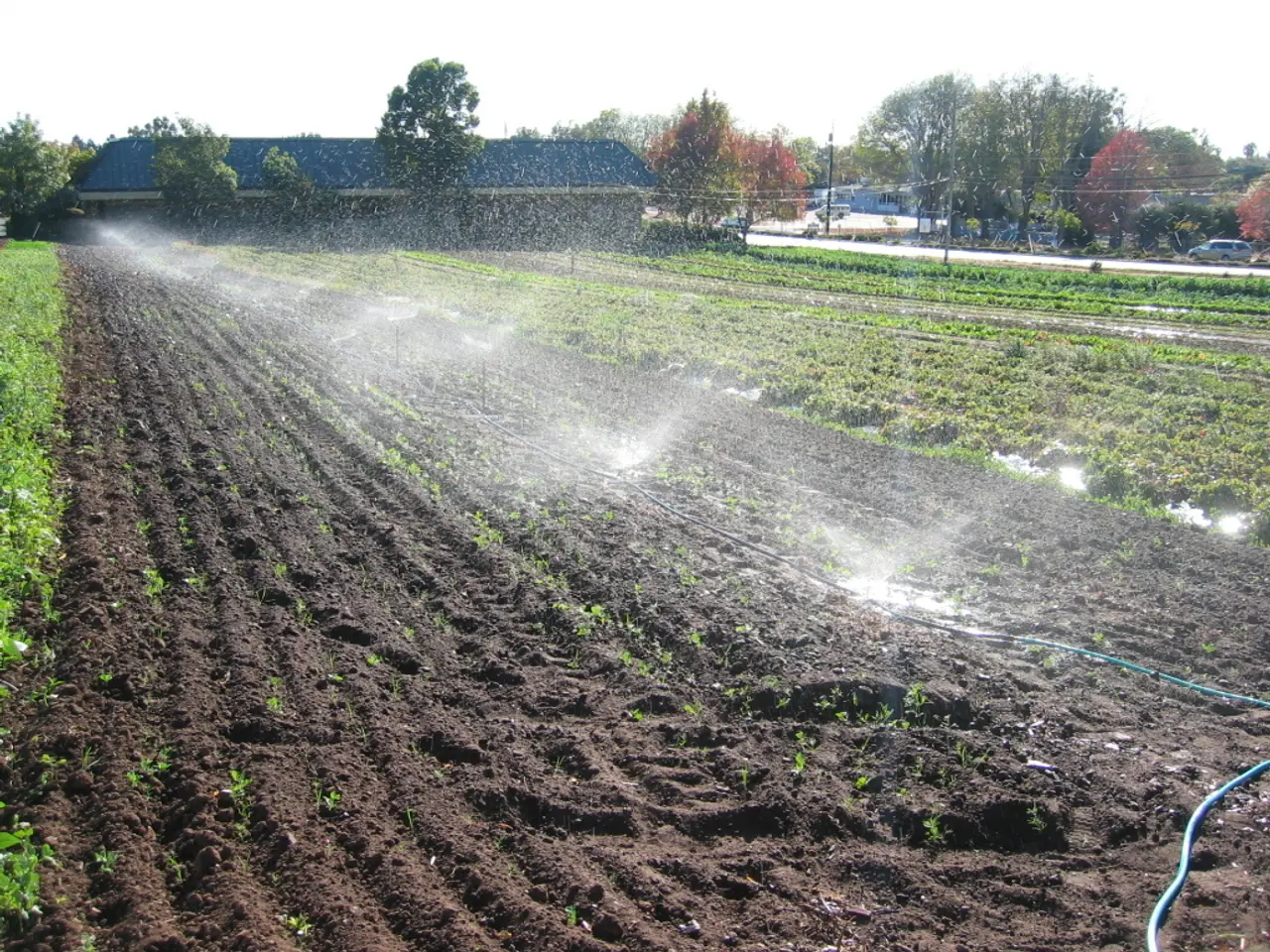
Maintaining Irrigation Systems: Tips to Avoid System Failures
In the pursuit of maintaining a lush, green landscape or healthy crops, regular maintenance of your irrigation system is crucial. By adhering to a proactive maintenance schedule, you can significantly reduce the risk of breakdowns, optimise water use, and ensure the longevity of your system.
**Regular Inspections**
A thorough inspection of your irrigation system is the first step towards preventative maintenance. Check each sprinkler for proper rotation, looking out for blockages, nozzle conditions, and signs of wear and tear. Inspect pipes for leaks, cracks, or plugged emitters to ensure water flows efficiently to plants. Monitor water pressure; misting can indicate excess pressure wasting water. During system operation, observe for uniform water distribution to catch issues early.
**Scheduled Maintenance Tasks**
Maintaining a checklist of weekly, monthly, and annual tasks is essential for timely care. Cleaning and lubrication of moving parts like sprinkler heads and valves should be performed regularly. Replace worn or damaged nozzles, seals, hoses, and filters to prevent leaks and blockages. Check pumps regularly and obtain commissioning and specification reports when new pumps are installed, to benchmark for future troubleshooting.
**Seasonal Care**
Conduct spring start-up inspections to identify winter freeze damage and clear debris. Monitor the system intensively during peak summer irrigation to catch problems early. Winterize the system in fall to protect pipes and components from freeze damage, preventing costly repairs the next season.
**Professional Support and Upgrades**
Engage professionals for underground pipe repairs, electrical controller troubleshooting, or full system upgrades. Consider system efficiency improvements like drip or soaker hoses for targeted watering to reduce water waste and stress on the system. Automated monitoring systems and fleet management tools can help schedule and track maintenance effectively.
**Prevention is Key**
Preventing small malfunctions from escalating into major issues such as leaks, blockages, or faulty solenoid valves is vital. Regular checks help prevent stress and damage to components, extending the system's overall lifespan. A system built with high-quality components lasts longer and better withstands environmental stress.
**Visible Malfunctions**
Visible malfunctions, such as dry garden areas or unusual flooding, are clear signs of a problem in the irrigation system. Acting quickly prevents further damage. Install rain sensors to optimise water use and avoid unnecessary irrigation during rainfall.
**The Importance of Routine Maintenance**
Perform regular system tests at least once a month, activating each zone and carefully observing the system's behaviour. Routine maintenance is necessary to keep the irrigation system in top condition year-round. By adopting a proactive maintenance schedule, quickly addressing any identified issues, and leveraging professional services when needed, you can substantially reduce the risk of irrigation system breakdowns, optimise water use, and maintain healthy landscaping or crops.
- To ensure efficient irrigation and prolong the lifespan of your irrigation system, don't forget to maintain your home-and-garden setup through lifestyle changes such as regular manutenzione (maintenance).
- Keep an eye out for news on advanced gardening techniques or water-saving technologies that can help optimize your irrigation system and reduce water consumption.
- As part of your proactive maintenance strategy, incorporate smart device solutions like automated monitoring systems and fleet management tools for simplified tracking and scheduling of manutenzione, improving overall system performance and minimizing the need for manual intervention.