
Delving into 2022's Backyard Horticulture: Let's Break Ground!
In today's ever-changing climate, more and more homeowners are turning to gardening as a means of self-sustainability and cost-effectiveness. A husband and wife duo, inspired by potential food scarcity and higher food prices, have decided to make their garden bigger and more productive. Here's how they plan to achieve this using expert gardening principles.
### 1. Succession Planting for Continuous Harvest
The key to a bountiful garden lies in succession planting, a technique that involves sowing different varieties with differing maturity timelines at the same time. By staggering plantings and planning for overlapping crops, the authors aim to have a steady and manageable harvest throughout the growing season.
### 2. Soil Amending and Maintenance for Healthy Growth
Healthy soil is the foundation of a thriving garden. Regular soil testing, incorporating organic matter, using cover crops in off-season, crop rotation, and minimising chemical use are all essential practices to maintain soil fertility and structure. The authors have also discovered the Square Foot Gardening method and the use of trellises, which they plan to investigate to maximise production in their space.
### 3. Efficient Irrigation Systems
Adequate watering is crucial for a productive garden. The authors are considering drip irrigation or soaker hoses to deliver water directly to the root zones, minimising water loss and reducing disease risk from wet foliage. Consistent watering and monitoring soil moisture levels are also essential to support continuous plant growth.
### Additional Tips to Maximise Productivity
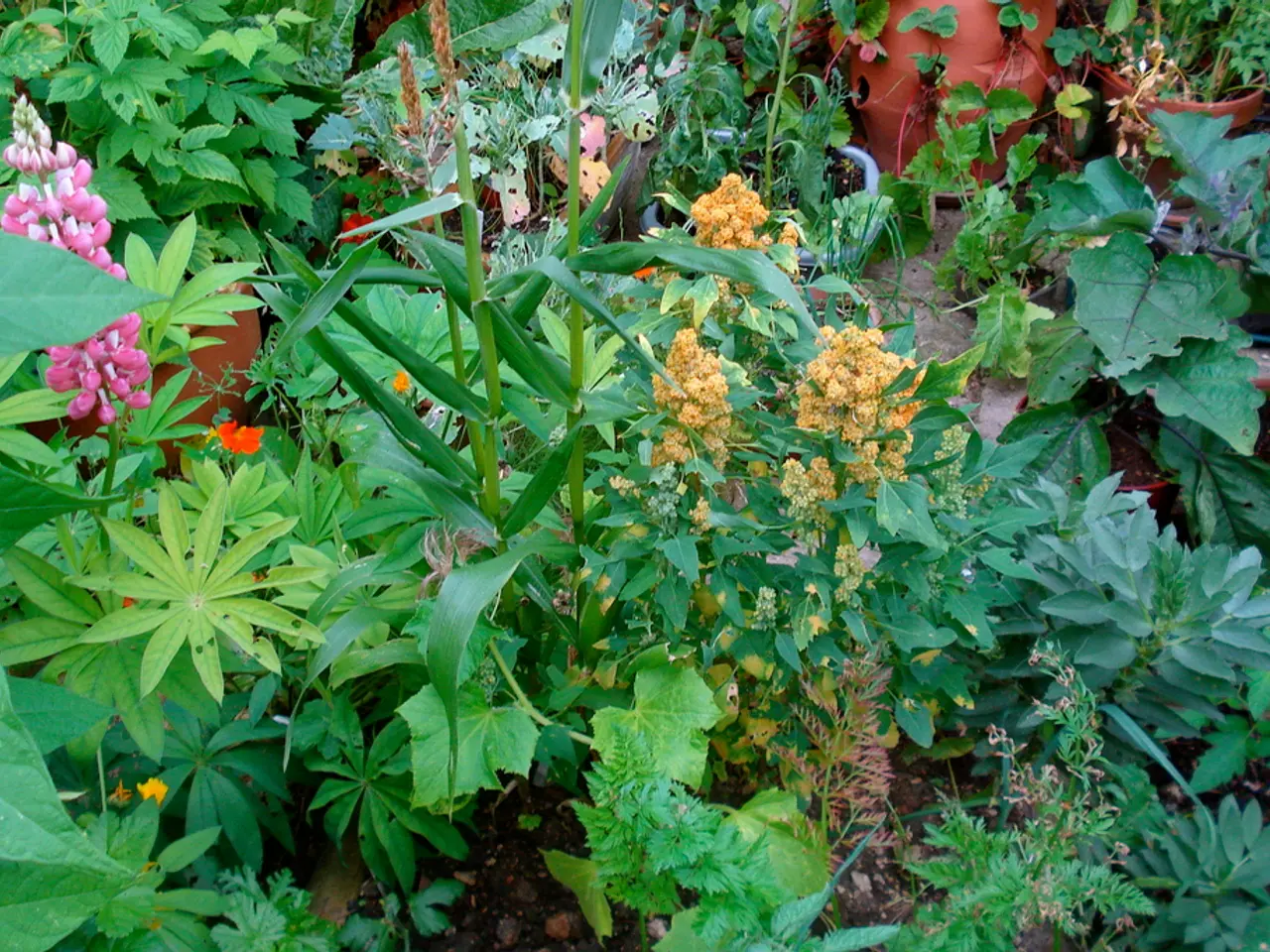
To further enhance their garden's productivity, the authors are exploring polyculture planting, a method that combines deep-rooted and shallow-rooted plants, mixes plant families, and grows ground covers to suppress weeds, improve biodiversity, and enhance nutrient cycling. They also plan to reserve the best plants for seed saving and consider container gardens for crops requiring special care or to extend growing space.
### Putting It into Practice
This year, the authors plan to practice succession planting with carrots and lettuce. They are also considering purchasing a Wormbox composter for improved fertilizer production. For those interested in similar gardening advice, the authors are offering a consultation link.
Stay tuned for the upcoming Happy Hour webcast on March 31st about preparing soil for the season. The authors are also planning to transform their front yard into a food forest with specific plantings around their trees. Sign up for email updates from their website to follow their journey and learn more about their gardening adventures.
[1] Square Foot Gardening: Mel Bartholomew [2] Succession Planting: The Complete Guide: Robert Pavlis [3] The Organic Gardener's Handbook of Natural Pest and Disease Control: Fern Marshall Bradley, et al. [4] The Complete Guide to Year-Round Vegetable Gardening: Nanette London [5] The Urban Farmer: Adventures in Growing Food for the City: Curtis Stone
- To ensure their garden remains organic and productive, the authors plan to incorporate the Square Foot Gardening method, which is outlined in Mel Bartholomew's book 'Square Foot Gardening', into their gardening practices.
- As part of their efforts to promote a home-and-garden lifestyle, the authors are developing a table-style garden in their front yard, aiming to transform it into a food forest, similar to the concept described in Curtis Stone's book 'The Urban Farmer: Adventures in Growing Food for the City'.